Garden Care & Tools
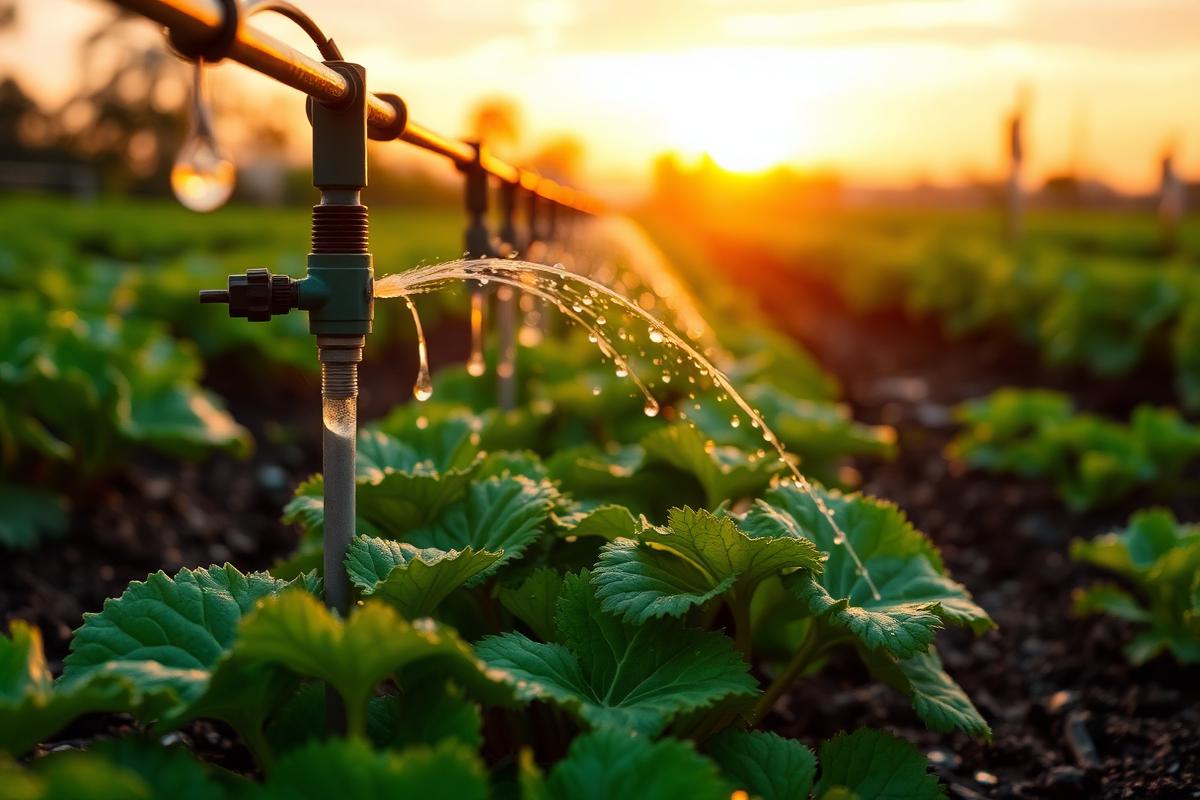
Drip Irrigation for the Home Vegetable Garden: A Practical Setup Guide
A surprisingly affordable upgrade that will save your garden during a heatwave — and free up an hour of watering every week.
9 min read · Oct 15, 2025
Save money and your back. The honest, opinionated tool list I give every new gardener I mentor.
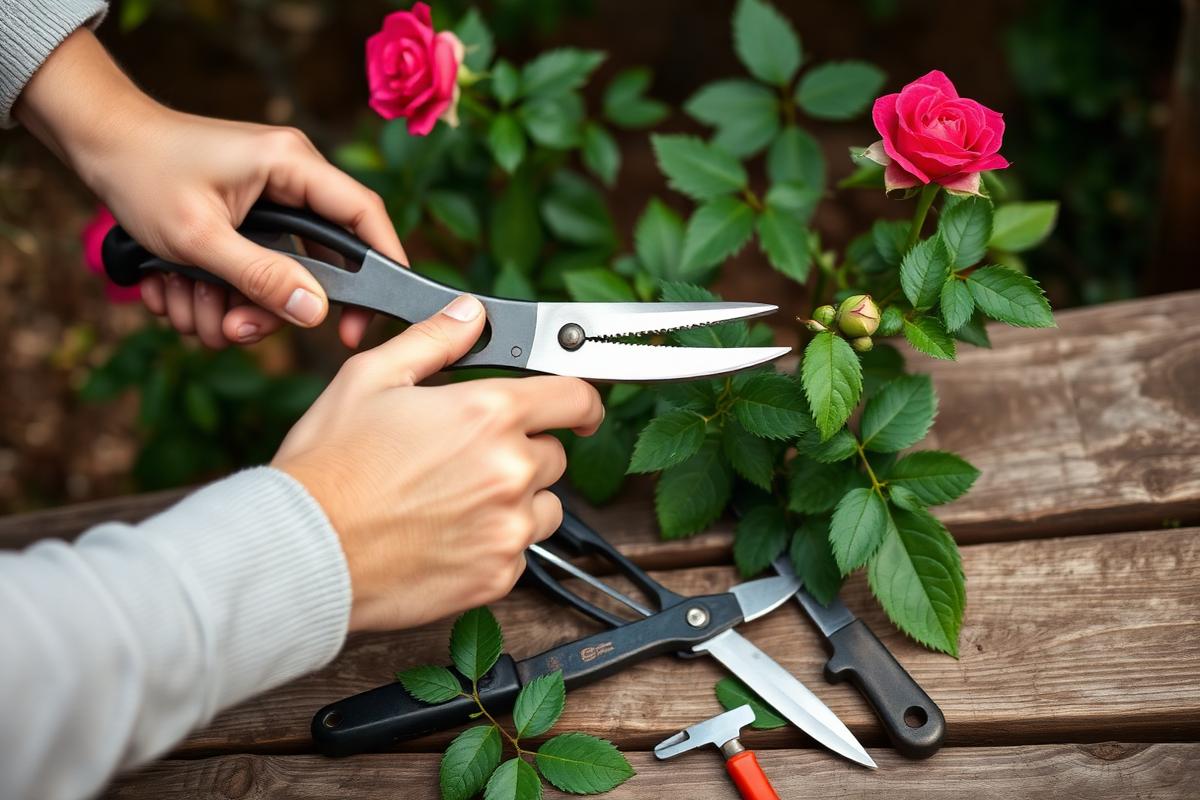
Whether you are planting your very first your tool kit or refining a long-standing routine, this in-depth guide is designed to give you a complete, research-backed roadmap. Drawing on more than a decade of hands-on growing and the latest horticultural research, we cover everything you need to know — without filler, without fluff, and without the recycled tips you'll find on every other gardening blog.
Few gardening decisions matter more than your tool kit. After more than a decade of trialing techniques across small balcony plots, suburban backyards, and a one-acre market garden, I can say with confidence that beginners who get this single thing right outperform experienced gardeners who don't. The good news: it isn't complicated once you understand the underlying principles. The bad news: most popular advice you'll read online is either oversimplified or written by people who have never actually grown the plant in question.
In this guide we'll walk through choosing garden tools step by step, starting with the science behind why it works, then moving into the practical, season-by-season tasks that will give you a thriving result. I'll share the mistakes I made in my first three growing seasons so you don't have to repeat them, and I'll point out the small details — soil temperature, spacing, watering rhythm — that separate a mediocre harvest from one you'll be proud of.
Throughout, I'll reference research from university extension programs and the Royal Horticultural Society rather than relying on social media trends. Gardening rewards patience and observation, but it also rewards good information. Let's get into it.
Begin by assessing your space honestly. Measure the light at the spot you plan to use over a full day — not just a quick glance at noon. I've seen too many gardeners blame their seeds or their soil when the real issue was four hours of dappled afternoon shade. A simple sun-tracking exercise over one weekend will save you a season of frustration.
Once you've confirmed adequate light, prepare your growing medium with care. For in-ground beds, work in two to four inches of finished compost and avoid synthetic quick-release fertilizers in the first month. For containers, use a high-quality potting mix (never garden soil), and make sure drainage holes are unobstructed. This is one of those details that sounds boring but quietly determines whether your project succeeds.
Now plant according to the spacing on the seed packet — and trust it. I know it looks sparse at first; it won't in six weeks. Water deeply the day you plant, then resist the urge to water again until the top inch of soil feels dry. A moisture meter is a worthwhile $10 investment for new gardeners.
Mulch is the single most underrated tool in a beginner's garden. A two-inch layer of straw, shredded leaves, or untreated wood chips moderates soil temperature, conserves moisture, suppresses weeds, and slowly feeds the soil as it breaks down. If you do nothing else this season, mulch.
Don't fertilize on a schedule — fertilize based on what the plant is telling you. Pale lower leaves usually signal a nitrogen issue. Purple-tinged leaves often indicate phosphorus deficiency or simply cold soil. Yellowing between leaf veins typically means a micronutrient problem. Learning to read these symptoms is more valuable than memorizing any feeding chart.
Keep a short garden journal. Even three sentences a day — what you planted, what the weather was like, what you noticed — will become a powerful tool by year two. My most productive seasons all started by reviewing the previous year's notes in January.
Overwatering kills more home-grown plants than any pest. If leaves are yellowing and the soil feels soggy, stop watering for several days and consider improving drainage with added perlite or coarse sand. Roots need oxygen as much as they need moisture.
Planting too early. Soil that is still cold below 50°F (10°C) will stunt warm-season crops permanently — they don't catch up later. A $5 soil thermometer pays for itself in one season.
Ignoring crop rotation. Growing the same family of plants in the same spot year after year invites pests and depletes specific nutrients. A simple three-year rotation makes a measurable difference.
Spring is for soil prep, hardening off seedlings, and planting cool-season crops while the ground is still cool but workable. Resist the urge to plant warm-season favorites until nighttime temperatures are reliably above 50°F.
Summer is for consistent watering, mulching, and observation. Walk your garden every morning if possible — early detection of pests and disease saves entire crops.
Autumn is when most gardeners stop too early. This is the perfect time to add compost, plant cover crops, and start garlic and many perennials. Your future self will thank you.
Winter is for planning. Order seeds, sharpen tools, repair beds, and read. The work you do quietly in January shows up in July.
For most temperate climates, the ideal window is two to four weeks after your last expected frost date. Check your local extension service for region-specific dates, and use soil temperature (not air temperature) as your real signal.
Six to eight hours of direct sunlight is the gold standard for productive growth. Less than four hours and you will see noticeably weaker plants — though some leafy crops and shade-tolerant species are reasonable exceptions.
Yes. The techniques in this guide are exactly what I teach new gardeners in our community workshops. Start small, observe daily, and expand once you've had one successful season.
Overwatering and overcrowding, in that order. Both are easy to fix once you know what to look for, and we cover both in detail above.
If this guide was useful, the best way to support our work is to share it with a fellow gardener or sign up for the seasonal newsletter on our contact page. We never publish sponsored content disguised as editorial — read more on our editorial policy page.
A surprisingly affordable upgrade that will save your garden during a heatwave — and free up an hour of watering every week.
9 min read · Oct 15, 2025
Buy once, cry once. Why spending a little more on shears is one of the best decisions in the garden.
9 min read · Dec 8, 2025
Skip the spray bottle. A garden with good biology has fewer pest problems — here's how to build one.
9 min read · Dec 10, 2025